IPL vs. Resurfacing: What Fixes Redness vs. Texture?


Understanding IPL and Laser Resurfacing
When it comes to revitalizing your skin, it’s crucial to choose the right treatment. Two popular options that often come up are IPL (Intense Pulsed Light) therapy and laser resurfacing. These treatments are both effective but serve different purposes. At Tahira Med Spa, we often get asked about the differences between these treatments and which one is better for addressing specific skin concerns like redness and texture. This comprehensive guide will help you understand each treatment and determine which is best suited for your needs.
What is IPL?
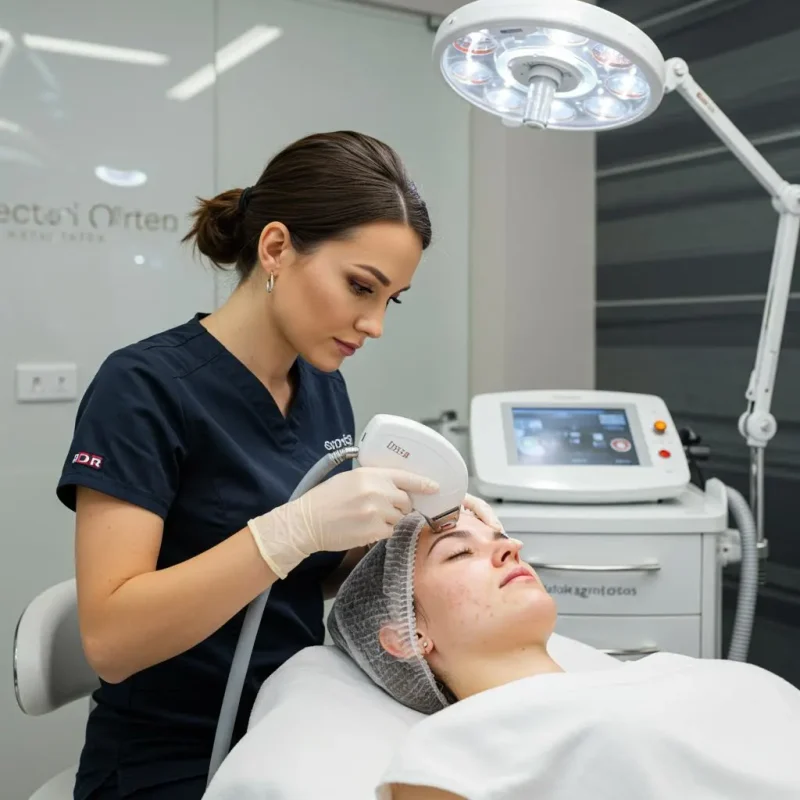
IPL, or Intense Pulsed Light therapy, is a non-invasive treatment that uses broad-spectrum light to target a variety of skin issues. It’s particularly effective for treating pigmentation problems, such as sun damage and rosacea. The broad spectrum of light targets melanin and hemoglobin, making it an excellent choice for reducing redness and improving the overall tone of the skin.
What is Laser Resurfacing?
Laser resurfacing, on the other hand, involves using concentrated beams of light to remove layers of skin with precision. This procedure is ideal for improving skin texture, reducing the appearance of fine lines, wrinkles, and acne scars. There are different types of laser resurfacing treatments, including fractional laser, which targets specific areas of the skin to stimulate collagen production and enhance overall skin texture.
Comparing IPL and Laser Resurfacing
Effectiveness on Redness
When it comes to treating redness, especially from conditions like rosacea, IPL is often the preferred method. The light energy is absorbed by the hemoglobin in the blood vessels, reducing flushing and redness. Patients with rosacea have reported significant improvements in their skin tone after a series of IPL treatments.
Effectiveness on Texture
For those dealing with texture issues such as acne scars or fine lines, laser resurfacing is the go-to treatment. Fractional laser, in particular, is highly effective in treating acne scars by promoting collagen production and renewing the skin’s surface. It helps in smoothing out the irregularities and leaving the skin looking rejuvenated.
Recovery Time
IPL typically has a shorter recovery time compared to laser resurfacing. While you might experience some redness and swelling post-IPL treatment, these symptoms usually subside within a few days. Laser resurfacing might require a longer downtime, especially if a more aggressive approach is taken. This is due to the deeper penetration and the need for the skin to heal from the re-surfacing.
Choosing the Right Treatment
At Tahira Med Spa, we understand that choosing the right treatment can be daunting. It’s essential to consider your primary concerns. If redness and pigmentation are your main issues, IPL may be the best choice. However, if you are more concerned about skin texture and want to address acne scars or fine lines, laser resurfacing might be the better option.
Consultation with a Professional
The best way to determine the most suitable treatment is to schedule a consultation with a skincare professional. At Tahira Med Spa, our team is dedicated to evaluating your skin concerns and recommending the best course of action. We tailor each treatment plan to suit the individual needs of our clients.
Conclusion
Both IPL and laser resurfacing offer unique benefits and can significantly improve the appearance of your skin. By understanding the capabilities and limitations of each treatment, you can make an informed decision that aligns with your skincare goals. Whether you’re looking to reduce redness with IPL or enhance skin texture with laser resurfacing, Tahira Med Spa is equipped to provide the highest quality care and results.
For more information or to book a consultation, contact us today and take the first step towards healthier, more radiant skin.