Chemical Peels by Skin Type: Sensitive, Oily, Mature


When considering chemical peels, it’s crucial to understand how different skin types respond to various treatments. Chemical peels can effectively address a variety of skin concerns, from hyperpigmentation to signs of aging, but selecting the right type for your skin is key to achieving the best results. In this comprehensive guide, we will explore the optimal chemical peels available in Houston for sensitive, oily, and mature skin types.
Understanding Chemical Peels
Chemical peels are cosmetic treatments used to improve the appearance of the skin on the face, neck, or hands. They involve applying a chemical solution to the skin, which causes it to exfoliate and eventually peel off. The new, regenerated skin is usually smoother and less wrinkled than the old skin.
Types of Chemical Peels
- Superficial Peels: These use mild acids like alpha-hydroxy acid to gently exfoliate. They penetrate only the outer layer of skin.
- Medium Peels: Glycolic or trichloroacetic acid is used to reach the middle and outer layer of skin. This makes it more effective for removing damaged skin cells.
- Deep Peels: These use stronger acids such as phenol to penetrate the middle layer of skin deeply.
Each type of peel has a different purpose and is used to treat different skin concerns, making it essential to choose the right one based on your skin type and issues.
Chemical Peels for Sensitive Skin
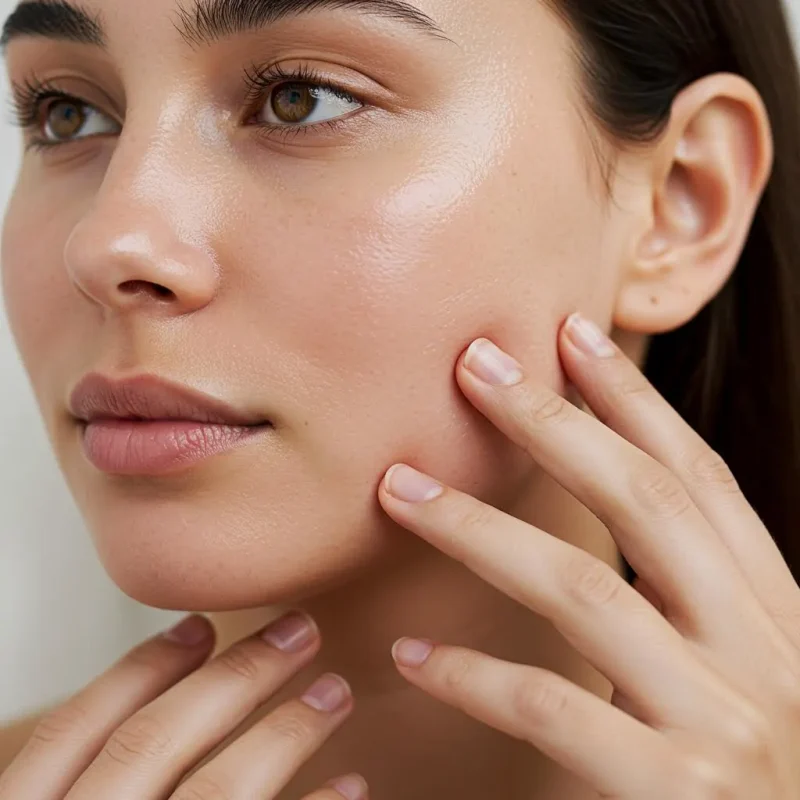
For those with sensitive skin, finding a suitable chemical peel requires careful consideration to avoid irritation. Superficial peels, such as those containing lactic acid, are often recommended for their gentle nature. Lactic acid is an alpha hydroxy acid (AHA) derived from milk, making it milder than other acids. It’s effective for gently exfoliating the skin and improving its texture.
When considering a chemical peel in Houston for sensitive skin, it’s important to consult with a skincare professional who can tailor the treatment to your specific needs, ensuring minimal irritation and maximum benefits.
Chemical Peels for Oily Skin
Oily skin often benefits from chemical peels that can penetrate deeply and remove excess oil. A salicylic acid peel is particularly effective for oily skin as it is a beta hydroxy acid (BHA) that can penetrate oil-laden pores and exfoliate them from the inside out. This helps to control oil production and reduce acne outbreaks.
In addition to salicylic acid peels, glycolic acid peels are also beneficial for oily skin. They help to refine pores and improve skin texture, providing a more matte appearance.
Chemical Peels for Mature Skin
Mature skin, often characterized by wrinkles and age spots, can benefit from more intensive peels. Trichloroacetic acid (TCA) peels and phenol peels are two options that are known for their ability to tackle deeper wrinkles and more pronounced pigmentation issues.
While TCA peels can be used in medium-depth treatments to address moderate signs of aging, phenol peels are reserved for more severe cases as they penetrate the deepest. However, phenol peels come with longer downtime and require careful post-treatment care to ensure optimal results.
Best Peel for Hyperpigmentation
Hyperpigmentation is a common concern that can be effectively treated with chemical peels. Glycolic acid peels are often recommended as one of the best options for this issue due to their ability to exfoliate the skin and promote cell turnover, which helps lighten dark spots.
For those dealing with melasma, a type of hyperpigmentation, combining glycolic acid peels with other treatments like topical lightening agents can enhance results. Always consult a skincare specialist to tailor your treatment plan.
TCA Peel vs Glycolic Peel: Making the Choice
When choosing between a TCA peel and a glycolic peel, consider the condition of your skin and the specific results you wish to achieve. TCA peels are more suited for deeper skin issues and are often used in medium to deep peels, whereas glycolic peels are ideal for superficial to medium peels, focusing on surface-level concerns like fine lines and hyperpigmentation.
Each peel has its own merits, and the choice ultimately depends on your skin’s needs and tolerance level.
Peel Downtime and Recovery
One of the most important considerations when opting for a chemical peel is the expected downtime. Superficial peels generally have minimal downtime, with mild redness and peeling lasting a few days. Medium peels may require a week or more for full recovery, while deep peels can require several weeks.
Proper aftercare is essential to ensure the best results and minimize complications. This includes avoiding sun exposure, using gentle skincare products, and moisturizing regularly.
Conclusion
Chemical peels offer a versatile solution for various skin concerns across different skin types. Whether you have sensitive, oily, or mature skin, there’s a chemical peel option available in Houston to meet your needs. Always seek professional advice to ensure safe and effective treatment tailored to your skin type.
Contact our clinic today to learn more about the right chemical peel for you and start your journey to healthier, more radiant skin.